The Drawing of Architecture and the Architecture of Drawing
Downloads
Published
Issue
Section

How to Cite
Abstract
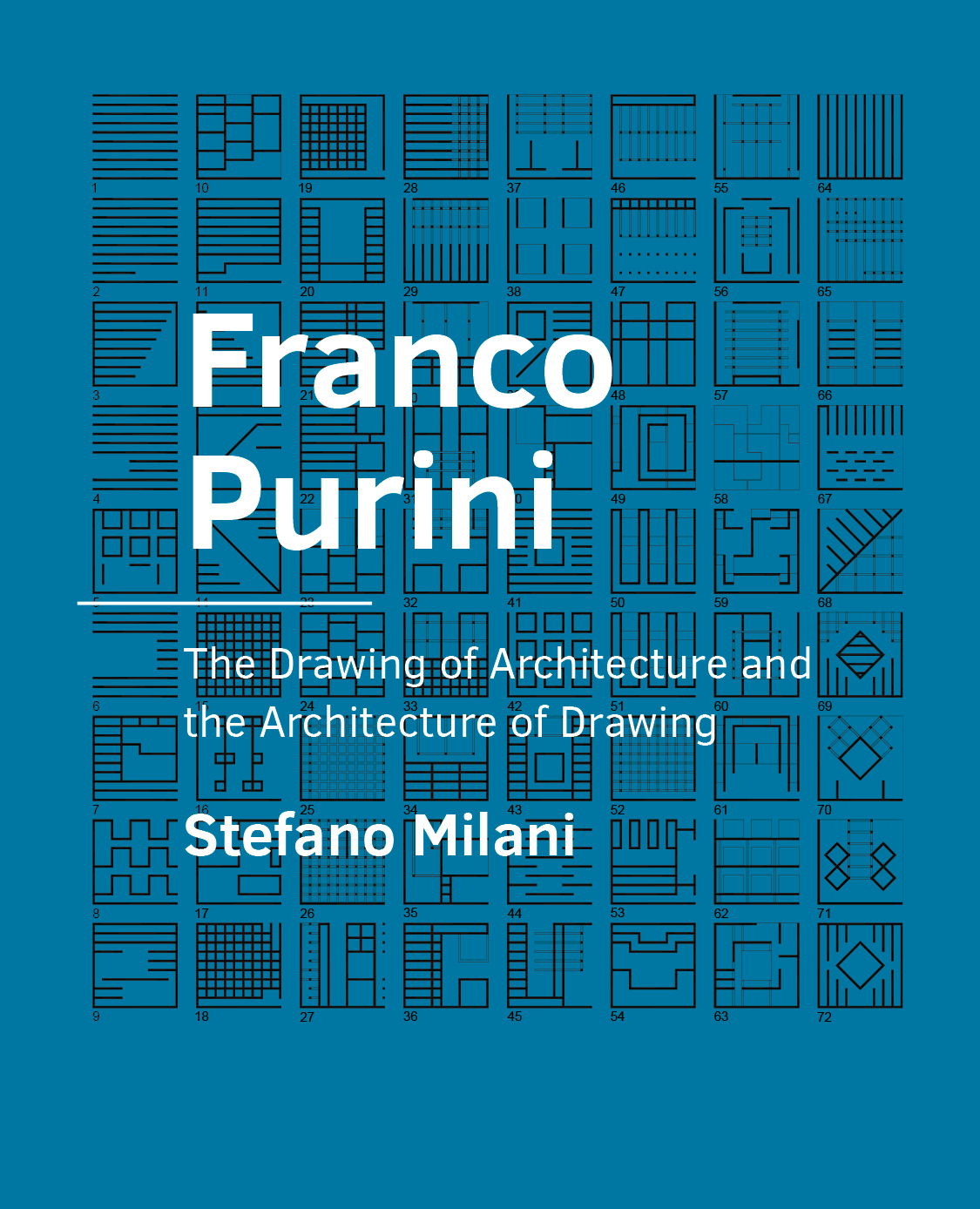
This doctoral research investigates Franco Purini’s work ‘Una ipotesi di architettura’ (1966–1968), examining it as both a foundational architectural inquiry and a hypothesis on drawing. Through a detailed analysis of Purini’s research, the dissertation develops the concept of an “architecture of drawing”—a critical framework in which drawing is not merely a representational tool but a form of architectural thought and theoretical investigation. Central to this work is the assertion that architectural drawing is inherently double: it generates and questions architectural meaning. This dual role reflects the tension within Purini’s method, in which drawing serves as both a tool and a conceptual field for dismantling the systems it constructs. The dissertation further explores how Purini’s grammar-based architectural language emphasises the autonomy and poetics of drawing. The investigation revolves around visual analysis and analytical drawings whose findings have been applied to reinterpreting a series of Purini’s projects. Finally, the thesis posits that the structure underlying the “architecture of drawing” is paratactical, enabling drawing to function as an open-ended form of architectural inquiry. Consequently, drawing can both reinforce and resist conventional design logic—a capacity that lies at the heart of its ongoing relevance and poetic potential in architectural practice. In summary, this research not only repositions ‘Una ipotesi di architettura’ as a critical episode in contemporary architectural thought but also affirms drawing as a mode of theoretical production. It establishes the architecture of drawing as both a methodological tool and a conceptual framework through which architecture itself can be reimagined.


